Tesla Stock Volatility: How EV Market Demand Is Driving Wild Price Swings in 2025
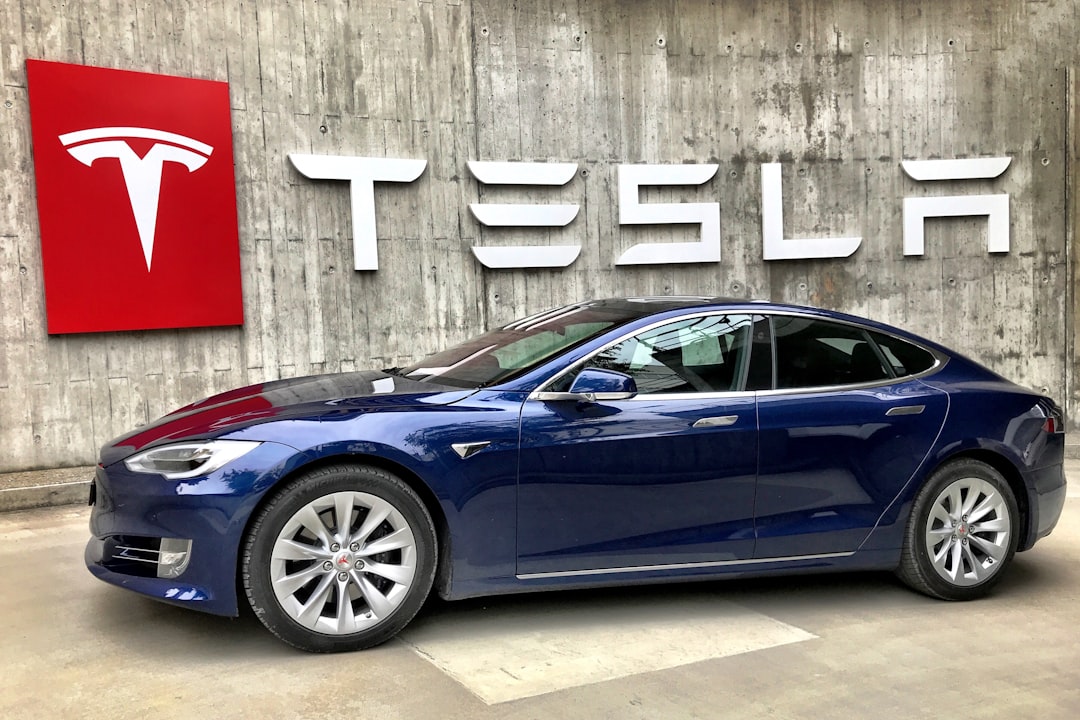
Tesla's Stock Volatility: The EV Market Connection
Tesla's stock performance continues to captivate investors as we enter 2025, with electric vehicle market demand serving as a primary driver of significant price volatility. Understanding these market dynamics is crucial for investors navigating Tesla's complex investment landscape.
Understanding EV Market Demand Impact on Tesla
Tesla's stock price demonstrates remarkable sensitivity to electric vehicle market sentiment. Current market conditions present a fascinating dichotomy: exceptional enthusiasm surrounding Tesla's autonomous vehicle and robotaxi developments contrasts sharply with softer traditional EV demand patterns.
This divergence creates unique opportunities and challenges for investors. Tesla's innovation pipeline, particularly in autonomous driving technology, represents significant growth potential, while traditional vehicle sales face headwinds from economic uncertainty and increased competition.
Technical Analysis: Key Levels to Monitor
According to technical analysis from Fairlead Strategies, Tesla's current technical setup suggests significant potential for movement in either direction. The Relative Strength Index (RSI) sits at neutral levels, indicating the stock has substantial room for both upward and downward momentum.
Technical indicators point to two critical price levels that investors should monitor closely:
Resistance at $250: A decisive break above this level could trigger significant upward momentum toward $300 or higher
Support at $200: A break below this threshold may lead to more substantial declines
Historical analysis suggests that similar technical setups have resulted in price swings exceeding 20%, making position sizing and risk management particularly important.
Market Factors Driving Volatility
Several key factors contribute to Tesla's current volatility profile:
Positive Catalysts
Advancement in robotaxi and autonomous driving technology
Continuous innovation in battery technology and manufacturing efficiency
Expansion into new markets and product categories
Potential Headwinds
Softening demand in traditional EV segments
Macroeconomic pressures affecting consumer spending on high-ticket items
Intensifying competition across the EV landscape
Investment Considerations and Strategy
Tesla's volatility, while challenging, reflects the dynamic nature of the rapidly evolving electric vehicle industry. Investors should consider several factors when evaluating Tesla's position:
Risk Management: Given the potential for significant price swings, appropriate position sizing becomes critical. The technical levels at $200 and $250 serve as important reference points for risk assessment.
Long-term Perspective: Tesla's investments in autonomous technology and energy solutions may provide growth drivers beyond traditional vehicle sales, potentially justifying current valuations despite near-term volatility.
Market Timing: The neutral RSI reading suggests investors may have opportunities to enter positions at more favorable risk-reward ratios, depending on their investment timeline and risk tolerance.
Looking Ahead: Managing Expectations
Tesla's stock performance will likely continue reflecting broader EV market sentiment and the company's execution on key strategic initiatives. The success of robotaxi technology deployment and autonomous driving capabilities could serve as significant catalysts for stock performance.
Investors should prepare for continued volatility while focusing on Tesla's fundamental progress in key growth areas. The company's ability to navigate current market challenges while advancing its technological leadership will ultimately determine long-term stock performance.
Whether Tesla breaks above the $300 level or faces pressure below $200 support will largely depend on EV market demand trends and investor sentiment toward the company's growth prospects. Understanding these dynamics provides investors with valuable context for making informed decisions in this evolving market landscape.
Comments